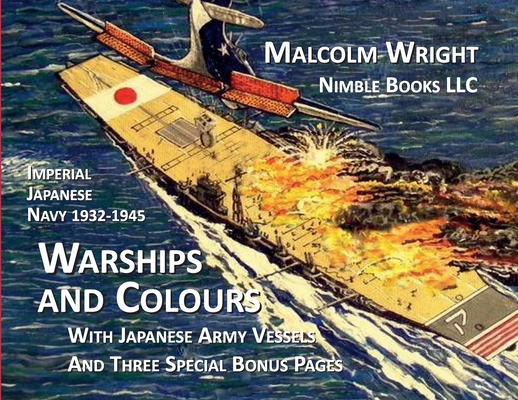
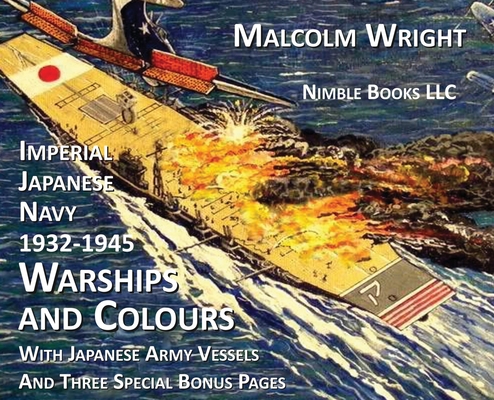
During World War II, navies developed camouflage for their ships. Applying it to both vertical and horizontal surfaces, they reduced visibility and confused the identities of their ships to the enemy. Maritime artist Malcolm Wright, author of popular books on British naval camouflage schemes in...
Read More about Imperial Japanese Navy 1932-1945 Warships and Colours: With Japanese Army Vessels and Three Special Bonus PagesDuring World War II, navies developed camouflage for their ships. Applying it to both vertical and horizontal surfaces, they reduced visibility and confused the identities of their ships to the enemy. Maritime artist Malcolm Wright, author of popular books on British naval camouflage schemes in...
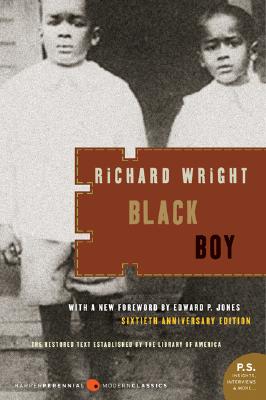
Read More about Imperial Japanese Navy 1932-1945 Warships and Colours: With Japanese Army Vessels and Three Special Bonus PagesRichard Wright's powerful account of his journey from innocence to experience in the Jim Crow South. It is at once an unashamed confession and a profound indictment--a poignant and disturbing record of social injustice and human suffering.
When Black Boy exploded onto the literary scene in 1945, it...
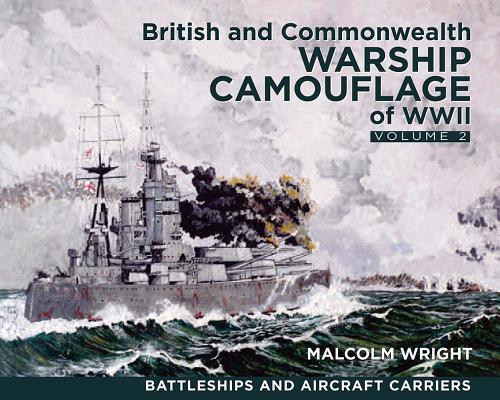
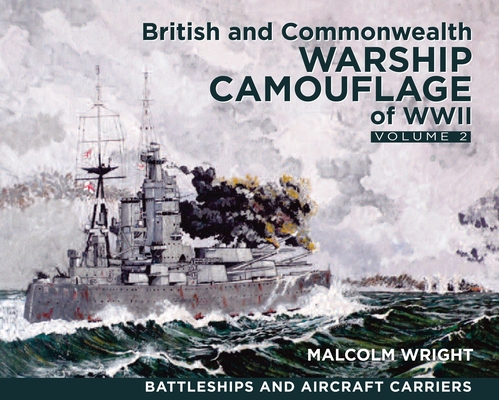
Read More about Black BoyDuring World War II, navies developed camouflage for their ships. Applying it to both vertical and horizontal surfaces, they reduced visibility and confused the identities of their ships to the enemy. Maritime artist Malcolm Wright continues his depictions of the official and unofficial paint...
Read More about British and Commonwealth Warship Camouflage of WWII, Volume II: Battleships & Aircraft CarriersA special 75th
anniversary edition of Richard Wright's powerful and unforgettable memoir, with
a new foreword by John Edgar Wideman and an afterword by Malcolm Wright, the
author’s grandson.
When it exploded onto the literary scene in 1945, Black Boy was both praised and condemned.
Orville Prescott of...
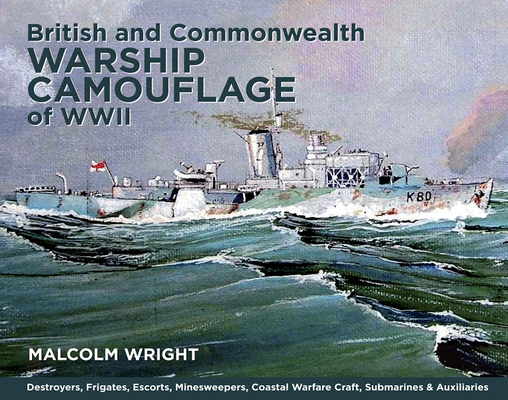
During World War II, navies developed low-visibility camouflage for their ships on both vertical and horizontal surfaces. The result reduced visibility by blending in with the sea or confusing the identity of a ship by applying more obtrusive patterns. In this new book by maritime artist Malcolm...
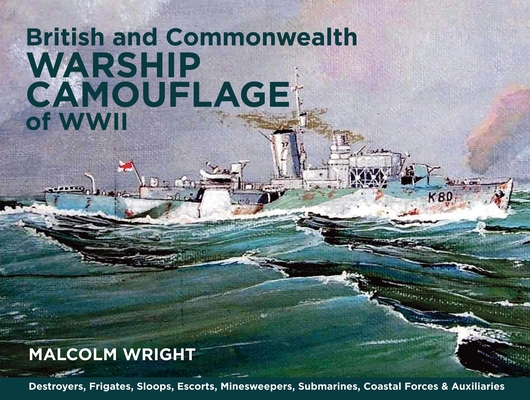
Read More about British and Commonwealth Warship Camouflage of WWII: Destroyers, Frigates, Escorts, Minesweepers, Coastal Warfare Craft, Submarines & AuxiliariesDuring World War II navies developed low visibility, horizontal and vertical surface camouflage for their ships. The camouflage served to reduce the visibility of the ships by blending them in with the sea. It also made the identity of the ship confusing by applying more obtrusive patterns. In this...
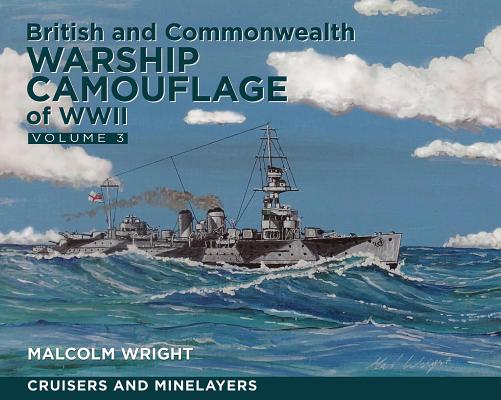
Read More about British and Commonwealth Warship Camouflage of WWII: Volume 3: Cruisers and Minelayers Volume 3In this work by maritime artist Mal Wright, both the official and unofficial paint schemes that adorned ships of the Royal Navy and Commonwealth during World War II are depicted in detail.
During the Second World War navies developed low visibility camouflage for their ships, on both the vertical and...
In this work by maritime artist Mal Wright, both the official and unofficial paint schemes that adorned ships of the Royal Navy and Commonwealth during World War II are depicted in detail.
During the Second World War navies developed low visibility camouflage for their ships, on both the vertical and...
During the Second World War navies developed low visibility camouflage for their ships, on both vertical and horizontal surfaces, in order reduce visibility by blending in with the sea, or confuse the identity of a ship by applying more obtrusive patters. In this the second volume by maritime artist...
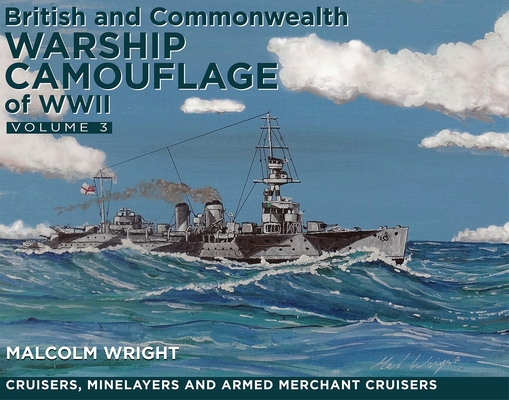
Read More about British and Commonwealth Warship Camouflage of WW II: Volume III - Cruisers, Minelayers and Armed Merchant Cruisers